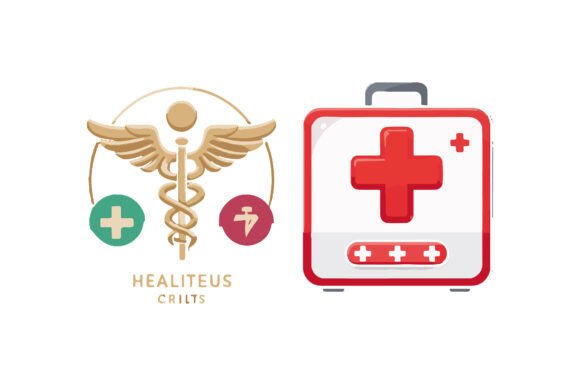
A Designer's Review of the Medical Protection Shield Design
When a new design file lands in my library, I don't just look at it on screen. I immediately start picturing it stitched. How will those lines translate into thread? What will the texture feel like on fabric? That's the lens I'm using for the Medical Protection Design with Shield. As someone who supplies embroidered goods to local clinics and creates personalized gifts for healthcare workers, this design immediately caught my eye. It's not just a graphic; it's a potential product, and its real-world application is what matters.
The First Impression: Soft Authority
The mood here is what I'd call 'soft authority.' The central shield icon establishes a theme of protection and care, a classic symbol in medical fields, but the organic, pastel elements soften it considerably. This isn't a harsh, institutional logo. The inclusion of the heart adds an essential layer of compassion. The overall layout feels balanced and approachable. This visual personality tells me it's suited for projects where you want to convey gratitude, support, or solidarity in a gentle, aesthetically pleasing way.
My first thought for an embroidery project was a custom tote bag for a nurse. It’s a practical item they use daily, and a design like this, stitched on the front pocket, would feel like a personal token of appreciation rather than generic corporate merch. The pastel shades would lend themselves beautifully to a linen or cotton canvas bag, creating a handmade, boutique-quality item.
Where This Design Thrives in Real Projects
Let's talk application. As an SVG file meant for printing, its translation into an embroidery file will depend on your software, but the core design elements are clear. This is a design that would excel in several real-life embroidery situations.
For custom apparel like sweatshirts or t-shirts for healthcare students or staff, it would work best as a medium-sized focal point, perhaps on the left chest or center back. On a tote bag, as mentioned, it’s a perfect fit. For baby clothes or nursery decor aimed at pediatric nurses or doctors, the pastel heart makes it wonderfully appropriate. Consider it for a simple, embroidered patch that could be applied to a jacket or backpack.
I also see strong potential in the gift category. A tea towel or apron embroidered with this design for a home-care worker, or a pillow cover for someone recovering from an illness, carries a thoughtful message. For small business merchandise—think an Etsy shop selling supporter gear—this design adds immediate visual trust and recognition. It communicates a clear, positive value. In a craft fair setting, such an item on a hat or cap would likely engage buyers looking for a meaningful, professional-looking handmade product.
Navigating the Practical Embroidery Details
Moving from potential to practice requires some designer notes. The success of this design stitched out hinges on a few key considerations.
The shield outline and the organic details will need clear definition. I would strongly advise testing this design on scrap fabric first. Pay close attention to the smaller curves and the heart element. On lighter fabrics, the pastel concept will shine, but you must check thread color contrast carefully. You might need to slightly adjust hues to achieve that soft pastel look in thread. On dark fabric backgrounds, the entire color palette would need a strategic rethink—likely shifting to lighter, more vivid tones to maintain clarity.
Stitch density is crucial. Areas within the shield could be done with a fill stitch, but if too dense, it might become stiff on stretchy fabrics like t-shirts. For items like caps with curved surfaces, simplifying some of the finer organic details might be necessary for clean stitching. The design doesn't appear to have tiny lettering, which is a plus for embroidery clarity.
Always use a proper stabilizer suited to your fabric, especially for items like sweatshirts or bags that have more texture. And for products destined for frequent washing, like kitchen towels or baby blankets, ensure your stitch choices and threads are durable. A satin stitch border might be less durable than a running stitch for outlines.
Where to Exercise Caution
While versatile, the Medical Protection Design with Shield has some natural limits. I would be careful using it in very small hoop sizes. The detail in the organic elements could get lost or become muddy if minimized too much. Similarly, on thin or very stretchy fabric without excellent stabilizer, the design could distort.
Its appeal is in its balanced composition, so cramming it onto a small area like a cap’s curved front panel might require simplifying the layout. For layered garments like hoodies with pockets, consider placement carefully so it doesn’t get interrupted by seams. The design feels complete and self-contained; it doesn’t need decorative accents crowding it.
The Impact on Your Product and Business
From a commercial perspective, this design affects several things. Its visual appeal is professional yet warm, which boosts customer trust in a handmade product. It tells a story, which enhances giftability. For a creative entrepreneur, using it across a line of products—totes, aprons, pillow covers—can create nice brand consistency for a shop focused on care-oriented goods.
Before running a production batch, do a couple of practical checks. Test the design in black and white mockups to ensure the composition holds its shape without color. Compare light and dark fabric backgrounds digitally to plan your thread schemes. Most importantly, confirm the licensing of the original SVG file before selling finished items or digital embroidery derivatives. Understand whether it's cleared for personal and commercial projects to avoid any pitfalls.
Final Thoughts for the Maker
The Medical Protection Design with Shield is more than a graphic; it's a design asset with strong emotional resonance. Its strength lies in its thematic clarity and gentle execution. For embroidery designers and makers, it provides a foundation for creating products that feel both professional and deeply personal.
Imagine it stitched onto a clean cotton apron for a hospice volunteer, or as a central motif on a throw blanket for a nurse's break room. In these applications, it moves from a digital file to a tangible item of appreciation. My recommendation is to see it as a template for meaningful craft. Start with a test stitch on your chosen fabric—a canvas tote or a tea towel are perfect candidates—and observe how the shield, heart, and pastel elements come to life in thread. That first physical sample will tell you everything about how this design will perform in your real-world embroidery project, client order, or small shop merchandise.