Evaluating Icometric - Medical Icons for Embroidery Projects
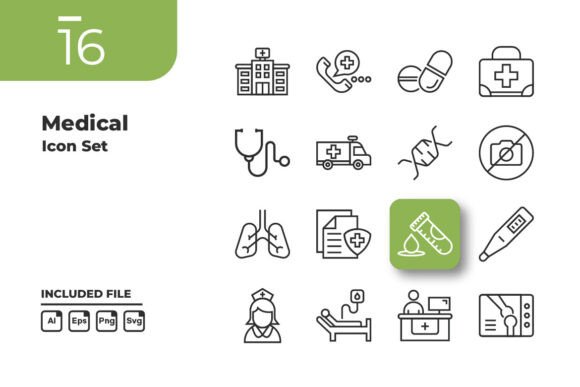
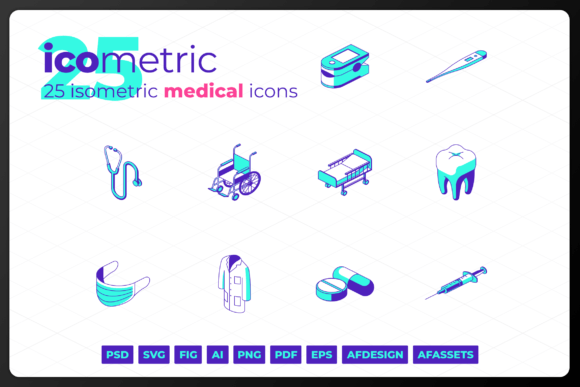
The first thing that strikes me about the Icometric - Medical Icons set is its clean, confident clarity. This isn't a sentimental or cute collection; it has a distinct professional, almost technical, personality. The isometric perspective gives each icon—from syringes to stethoscopes—a structured, three-dimensional feel that translates well into a graphic language. As an embroidery designer, I immediately start visualizing these icons not as flat graphics, but as stitched elements on fabric. The mood is modern, trustworthy, and quietly authoritative.
Where This Design Set Naturally Belongs
I can see this set shining in projects that require a touch of professionalism paired with care. Imagine a custom embroidered tote bag for a nurse, or a personalized sweatshirt for a medical student. The icons would work beautifully on the corner of a baby blanket for a pediatrician’s newborn gift, or as a single, crisp emblem on the chest of a cap. Because the theme is so specific, the application becomes very intentional. This isn't a general-purpose floral motif; it’s for products where the medical connection is a meaningful part of the story, whether it’s a gift of recognition, a boutique item for a clinic’s staff, or merchandise for a healthcare-focused small business.
The Real-Life Embroidery Scenario: A Personalized Lab Coat Patch
Let’s walk through a real case. I’m considering using one of the larger syringe or heart monitor icons to create a custom embroidered patch for a lab coat. The client wants a subtle, professional badge of identity, not a cartoon. The isometric style of the Icometric - Medical Icons lends that geometric precision which, when stitched out, should result in clean lines and distinct shapes. My primary concern becomes stitch clarity. The icons have a level of detail that is compelling on screen, but in embroidery, small interior corners and tight angles can get lost if the stitch density is too high or the hoop size too small. For a patch, I’d likely choose a size that allows each isometric facet to be defined by a satin stitch border or a crisp fill stitch, ensuring the three-dimensional illusion survives the transition from digital file to threaded fabric.
Performance Across Different Products and Fabrics
For custom apparel like t-shirts or sweatshirts, these icons offer a modern alternative to typical text-based medical logos. A single, well-placed icon on a sleeve or pocket can convey the theme without overwhelming the garment. On tote bags or aprons, they become a functional, decorative accent. For baby items or nursery decor, selecting perhaps the gentler icons like the pill bottle or thermometer could create a unique, personalized gift for a healthcare worker’s family.
However, their performance depends heavily on context. On textured fabrics like certain blankets or sweaters, the clean lines might soften, which could actually add a nice handmade warmth. On thin or stretchy fabrics, proper stabilizer is absolutely key to maintain the geometric integrity and prevent distortion. Dark fabric backgrounds, given the two color schemes (Blue and Black), require careful thread color choice to ensure the icon doesn’t fade into the fabric. On curved surfaces like caps, the design would need to be sized and positioned so that the isometric perspective doesn’t appear warped.
The Critical Points for Careful Use
This set demands a thoughtful approach from the embroiderer. Small hoop sizes are a risk. Trying to squeeze a detailed isometric icon into a tiny area could lead to muddled details where small stitch regions merge. The ‘tiny lettering’ equivalent here are the fine interior lines and corners of the equipment. They need space to breathe. Dense stitch areas, if the embroidery file uses heavy fill stitches, could make the design feel stiff and heavy on lighter fabrics like t-shirts. Always, always test on scrap fabric first. This isn’t just about checking machine compatibility; it’s about seeing how the graphic personality changes when it becomes physical stitches. Does it still look sharp? Does the isometric illusion hold up?
Impact on Value, Trust, and Professional Presentation
Using a well-executed Icometric - Medical Icons design on a finished product elevates its perceived value. For a customer, it communicates specificity and thoughtfulness. A handmade product adorned with a precise medical icon feels less generic and more personally tailored, which builds customer trust and engagement. For a creative entrepreneur selling items on Etsy or at craft fairs, this set provides a coherent design asset that can create a small line of themed products—think a series of tea towels with different icons for a clinic’ kitchen, or minimalist patches for sale. It supports brand consistency for a maker focusing on medical or science-themed goods.
The giftability is high for the right recipient. A pillow cover with a discreet medical icon for a retiring doctor, or a kitchen towel with a syringe icon for a pharmacist, becomes a recognized, professional gift that also carries a handmade touch. The clean design avoids feeling childish or overly decorative, which is crucial for a professional audience.
Practical Notes for the Embroidery Designer
Before committing to a project, my checklist would include: testing the chosen icon in both light and dark fabric mockups, even simple black and white sketches, to judge contrast; reviewing the stitch density of the embroidery file if possible; and confirming the licensing terms for commercial use if I plan to sell the finished tote bags, patches, or apparel. Since the product description mentions it’s easy to use and edit, I’d explore if color changes are straightforward to adapt the blue or black scheme to my specific thread palette.
Thread color contrast is paramount. With the isometric style, using slightly different shades within the same color family for different facets could enhance the 3D effect, but that requires a precise file. If the design is more block-color, then a single, bold thread color against the fabric will be the key to its clarity. For digital product sellers creating printable mockups or offering the design as a commercial embroidery file asset, the clean scalability of the icons (as noted, they look perfect in 128px, 256px, 512px or bigger) is a strong selling point for previews and listings.
Ultimately, the Icometric - Medical Icons set is a specialized tool. It won’t be for every project, but for the ones where it fits, it brings a modern, professional graphic voice to the tactile world of embroidery. Its success hinges on the embroiderer’s skill in translating its digital precision into stitched form, respecting its need for space and clarity, and pairing it with products and recipients where its quiet, authoritative personality will be truly appreciated.