Evaluating Medical Outline Icons for Embroidery Projects
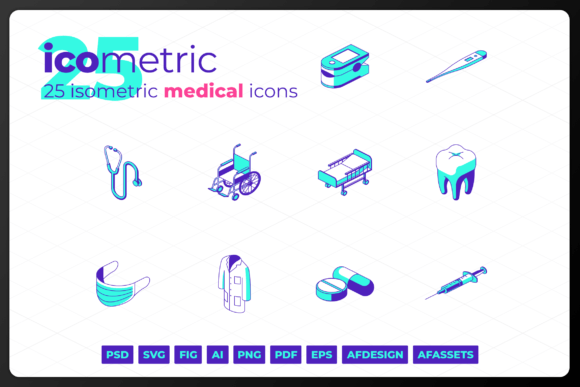
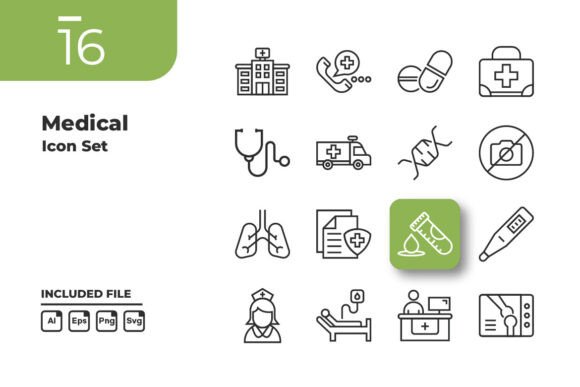
As a designer who frequently translates digital graphics into physical stitchwork, my first instinct when reviewing a set like the Medical Outline Icons Set is to imagine it off the screen and onto fabric. This collection presents a clean, modern, and instantly recognizable group of symbols. The mood it creates is professional, caring, and contemporary—a vibe perfectly suited for projects that need to communicate trust and clarity.
The Practical Personality of Outline-Based Designs
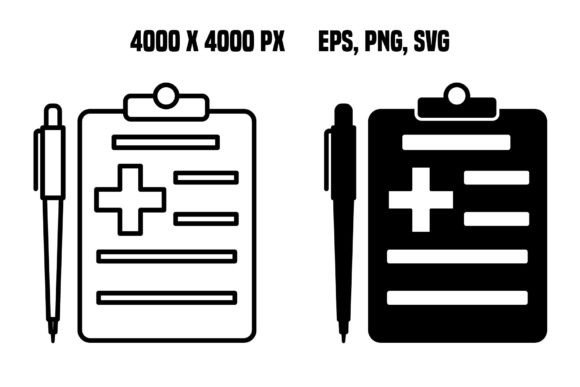
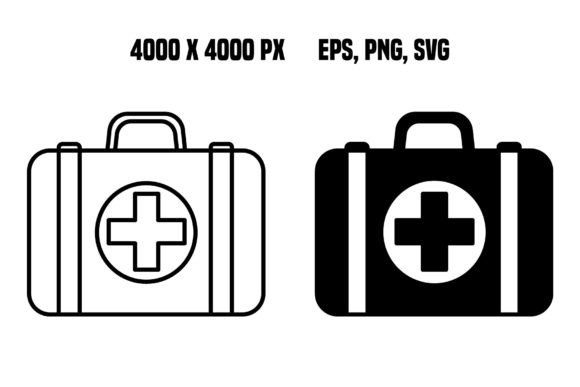
The outlined, vector-based nature of these icons is their greatest strength for our craft. Unlike densely filled graphics, these open shapes are inherently embroidery-friendly. They suggest a use of satin stitches or elegant running stitches to trace their forms, rather than demanding heavy fill stitch areas that can become stiff on fabric. This lighter approach means the finished product retains more fabric drape and feels less bulky, a crucial consideration for apparel.
Let’s walk through a real scenario. Imagine you’re preparing a custom embroidered tote bag for a nurse graduating from their program. You want a design that feels personal and celebratory but also professional. One of these medical icons, perhaps the stethoscope or heart, stitched in a classic white or navy thread on the bag’s corner, achieves that perfectly. The clean outlines will stitch up with sharp clarity, and the scale is naturally modest, making it a sophisticated accent rather than a overwhelming statement.
Where These Icons Shine in Your Product Line
This set isn’t just for tote bags. Its visual personality makes it a versatile asset for a maker’s portfolio. For baby clothes or nursery decor for a pediatrician’s family, a small, delicately stitched icon on a blanket corner adds a personalized touch. On aprons or tea towels in a clinic’s kitchen, they support a sense of brand cohesion. As embroidered patches, they become badges of identity for students or professionals. For holiday gifts or wedding gifts for someone in the medical field, pairing an icon with a name or date creates something uniquely meaningful.
In a craft business context, such as an Etsy shop or craft fair booth, products adorned with these icons attract a specific, appreciative audience. The design’s cleanliness enhances the perceived value of your handmade product. It signals attention to detail and a modern aesthetic, which builds customer trust and aids in buyer engagement. They are also excellent for creating printable mockups to showcase your embroidery services online.
Navigating the Stitching Nuances: A Designer’s Notes
While the open outlines are advantageous, they require a thoughtful approach to execution. The level of detail in some icons—think of the fine lines in a microscope or the precise curves of a pill bottle—means your hoop size, stabilizer choice, and fabric texture become paramount.
- Small details demand a steady base: On stretchy fabrics like t-shirts or on curved surfaces like caps, you’ll need robust stabilizer to prevent puckering and preserve the outline’s sharpness.
- Thread color contrast is key: These icons thrive on contrast. On dark fabric, a bright, crisp thread makes them pop. On light fabric, a darker thread defines them beautifully. Always test on scrap fabric first to see how your chosen thread interacts with the background.
- Scale with intention: Because they are scalable vectors, you can adjust size, but be cautious. Scaling an icon down too much for a tiny baby embroidery on a sleeve might turn fine details into a muddle of stitches. Scaling up too large for a sweatshirt embroidery back could make simple outlines feel sparse.
Careful Application for Long-Lasting Results
Some applications warrant extra caution. Dense stitch areas aren’t a concern here, but the stitch density you choose for the outlines themselves matters. A very dense satin stitch might be too rigid for a pillow cover that needs to remain soft. For items like kitchen towels or apparel that need frequent washing, a secure but not overly thick stitch will ensure the design lasts without stiffening the fabric.
Also, consider the end-use environment. An icon embroidered on a custom apparel item for a busy professional should be placed where it won’t constantly rub against seams or layers. The beauty of these outlines is their simplicity, but that simplicity must be executed with durability in mind.
Turning Graphics into Stitched Professionalism
The ultimate test of any embroidery design is how it elevates the final product. The Medical Outline Icons Set, when stitched well, contributes directly to professionalism and brand consistency. For a small shop creating merchandise for a local clinic, using these icons across different products—bags, caps, patches—creates a cohesive, branded look. For a digital product seller offering the embroidery file itself, its clean, editable vector basis is a strong selling point for clients who want to adapt colors.
Before committing to a commercial embroidery project using these icons, it’s your responsibility to confirm the licensing terms. The product description notes they are vector-based and editable, but clarity on whether they are licensed for finished product sales or digital product resale is essential. Never assume.
My final, friendly advice is to embrace this set’s potential but ground it in reality. Test it in black and white mockups to judge form without color distraction. Compare how a chosen icon looks on light and dark fabric backgrounds in your software preview. And always, always stitch a sample. Seeing that first stitched medical icon on your scrap fabric—clean, recognizable, and full of potential—is the moment you’ll know exactly which of your projects it belongs to.