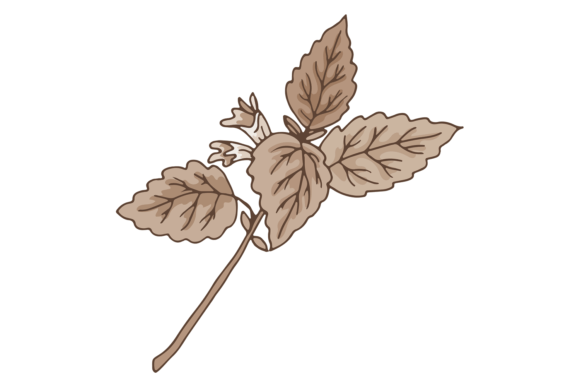
From Digital Sketch to Stitched Bellflower: A Designer's Practical Review
When I download an embroidery file, I'm not just looking at an image on a screen. I'm thinking about how it will live in the world: on a fabric, under a needle, as a finished product. That's the lens I'm applying to the Medical Herb Drawing. Growing Bellflower. This Campanula illustration arrives as a clean graphic—EPS, JPG, SVG, and a transparent PNG—and my first task is to translate that digital potential into tangible, stitchable reality.
A First Impression of Serene Botanical Charm
The design immediately strikes a calm, herbal mood. It’s not a wildly ornate botanical sketch but a focused, growing illustration of the bellflower. The layout feels balanced, with a natural flow from root to bloom. The detail level is thoughtful; it has enough character to be interesting without being overwhelmingly dense, which is a crucial consideration for embroidery. Its visual personality is gentle and authentic, leaning more towards a sincere, hand-drawn aesthetic than a clinical diagram. This tells me it belongs to projects where warmth and a touch of natural artistry are key.
Where This Bellflower Blooms Best in Real Projects
Let's get practical. I picture this design on a custom linen tote bag for a gardening enthusiast. The herbal theme and clean lines would translate beautifully, offering a sophisticated, understated branding for a small shop selling homemade goods. On a lightweight cotton baby onesie or a nursery pillow cover, the bellflower’s gentle shape could create lovely, soothing decor without being too bulky or sharp for delicate fabrics.
For a creative entrepreneur, this graphic has strong potential as an embroidered patch, applied to a canvas backpack or a denim jacket. Its isolated nature makes it a prime candidate for this. I also see it working beautifully on kitchen textiles—an apron or a set of tea towels—where the botanical theme feels both functional and decorative. As a personalized gift, like a commemorative pillow for a wedding or a housewarming present, the design carries a meaning of growth and natural beauty that transcends a generic pattern.
Navigating the Stitching Landscape: A Note on Application
However, a designer's confidence comes with cautious observation. The success of any embroidery file depends on context. While the bellflower’s form is generally clean, some of the finer lines, particularly in the root details or the smaller leaves, require attention. On stretchy fabrics like standard t-shirts without proper stabilization, those details could lose clarity. On dark fabric backgrounds, the intended delicate feel might get lost unless thread color contrast is strategically planned—a bright white or a very light pastel against navy, for instance.
Embroidering on curved surfaces like caps demands simplification; you might need to omit the most delicate elements to ensure integrity. For products destined for frequent washing, like sweatshirts or kitchen towels, evaluating the stitch density is vital. Areas that are too densely packed can become stiff and uncomfortable, or may wear differently over time. The design doesn't look overly dense, but testing on scrap fabric is non-negotiable.
How This Design Elevates Your Product's Story
Using a design like this isn't just about decoration; it's about communication. When a customer sees Medical Herb Drawing. Growing Bellflower on a handmade product, it conveys a thoughtfulness that boosts perceived value. It feels less like a random graphic and more like a chosen piece of art, which builds customer trust in your craft. For a small business, consistently using such tasteful, themed illustrations across your merchandise—tote bags, aprons, pillow covers—can solidify a cohesive, professional brand identity.
Its giftability is high because it carries a quiet narrative. Its recognition factor is subtle; it’s not a loud logo, but a beautiful element that engages buyers looking for something unique and meaningful. In a marketplace saturated with generic designs, this kind of illustration helps your product stand out as a considered, finished product.
Essential Designer Notes Before You Hoop the Fabric
My process always includes these steps, and I recommend them for this design:
- Test on scrap first. Use the same fabric and stabilizer you plan for the final project. This reveals how the finer lines behave.
- Check thread color contrast. View the design in black and white mockups to understand light and dark areas, then plan your palette for both light and dark fabric backgrounds.
- Review the design for your intended hoop size. If you're thinking of a small hoop for a delicate item, ensure the smallest details won't become a muddled mess of stitches.
- Inspect the small details. Zoom in on the provided files (especially the SVG or EPS if you're editing) to identify any potential corners or junctions that might be tricky for a running stitch or satin stitch outline.
- Confirm the licensing. The product is categorized as Illustrations/Graphics. Before selling any finished items or commercial embroidery projects using this design, you must verify the specific license terms included with your purchase.
Remember, the provided formats are your raw materials. The EPS and SVG files are particularly valuable if you need to adapt the scale or integrate the graphic into a larger digital product preview or printable mockup for your Etsy listing or craft fair promotion.
The Final Verdict: A Versatile Botanical Asset
In my evaluation, Medical Herb Drawing. Growing Bellflower transitions from a digital graphic to a highly versatile embroidery asset with a distinct personality. It's suited for projects that benefit from a serene, natural theme. Its strength lies in its balanced detail and isolated composition, making it adaptable for patches, apparel, home decor, and personalized gifts. Success, however, hinges on the embroiderer's mindful application—choosing the right fabric, stabilizing properly, and selecting complementary thread colors. For the craft business owner, Etsy seller, or hobbyist looking to add a touch of herbal charm to their work, this design offers a solid foundation. Just approach it with a designer's practicality: plan, test, and stitch with the end product—and the person who will cherish it—always in mind.